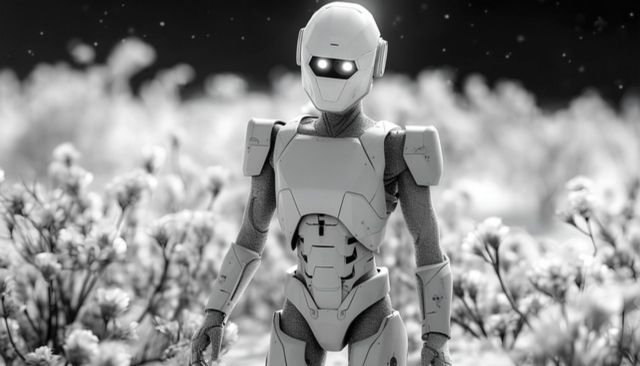
Robots push beyond old barriers every day. At UC Berkeley, teams craft machines that twist into fresh shapes on command. In China, tiny bots lighter than rice grains dash over water and tote loads. South Korea rolls out human-like figures with smart brains, while Hollywood tests a fake star. Seoul buzzes with robot games, and shipyards host spider bots that weld steel. These steps show robotics in full swing. Let’s explore the key wins and what they mean for us.
Table of Contents
AI-Driven Design for Morphing Matter: Metatrust Robots
Engineers at UC Berkeley team up with Carnegie Mellon and Georgia Tech to build smart tools for metatruss robots. These devices link hundreds of beams and joints, like a skeleton that bends and folds. The goal? Let robots shift forms based on the job at hand. Think of a four-legged walker that turns into a guard helmet, reshaping to shield your head just right.
Overcoming Actuator Control Complexity
Old ways to run these bots bog down in hassle. More moving parts mean tougher control, with each joint needing its own command. Teams used to sort these by hand into groups, but that takes ages and doesn’t grow easy. The new AI fix? A genetic code system that hunts for the fewest control groups needed. It tests tons of options and picks the best, much like how our muscles team up in groups instead of firing one by one.
This setup cuts channels from hundreds to a handful. You keep full power for shifts, walks, and grabs. The team drew from nature’s muscle tricks to make it click. They tested on basic runs first, then built a full plan for changing bots.
Prototyping Versatility and Future Vision
Prototypes prove the point. One looks like a lobster and steps along, while another acts as a bending arm. Both twist through hard shapes with far less wiring than before. The leaders, like Zenjugu, say the wins shocked them. It started simple but grew into a blueprint for flexible gear.
Looking ahead, add in AI that makes designs from scratch. Tell it your size, and it crafts a helmet or suit that adapts fast. Yao from Berkeley’s lab dreams big: beds that roll patients gently, or seats that mold to your shape. Chairs could hug you during a long sit, or wraps that soothe sore spots. These ideas blur lines—what’s a robot anymore? Everyday stuff might soon move and think.
Breakthroughs in Micro-Scale Soft Robotics
China’s labs birth bots so small they weigh just 8 milligrams. At Guangdong University of Technology and Guangzhou Polytechnic Normal University, makers craft a soft machine that reacts to heat, wet air, and pulls from magnets. Past soft bots stuck to one trigger, like warmth alone, so they failed in mixed spots. This one thrives anywhere, from dry ground to wet pools.
Multi-Trigger Response Capability
The trick lies in layers. A base film of polyamide gets treated to sense heat and dampness sharp. Over that, silicone holds tiny magnetic bits from neodymium iron boron. The stack keeps signals apart—no mix-ups. Heat bends one part, wet pulls another, magnets steer the rest. It’s like a smart skin that feels the world in parts.
This beats old single-trick bots. Now, the tiny frame handles land, water, or shifts without a hitch. No clogs in response mean steady work in tough spots.
Performance Metrics and Real-World Demonstrations
Speed hits 9.66 cm/s on water, close to a real water bug. On land, magnets spin it to roll up hills. It hauls 2.5 times its mass—think a speck lifting a pebble. In tests, it grabs cargo, crosses dirt and waves, then drops it with an infrared flash that snaps its shape. Full trip done by a dot of tech.
Uses pop to mind quick. Packs of these could scout floods, check dams, or aid rescues. In meds, they might swim veins one day. South Korea already runs swarms to clear pipes with magnets, but this adds multi-sense in mini form. It opens doors to wild places.
The Next Generation of Humanoid Intelligence: Physical AI
South Korea steps up with full-sized bots that act human. The Korea Institute of Science and Technology, or KIST, joins LG Electronics and LG AI Research for a November reveal. Meet Capeex, a humanoid with LG’s Exa1 model as its mind. It goes past copycat walks to match our strength and touch.
Capeex: Integration of Vision Language Models
Exa1 lets Capeex see and chat like us. Its hand has many fingers with feel close to skin. It learns via trial and error, plus sight and words. No more sim-only smarts—this bot trains in real life. It grabs tools, climbs steps, or aids in homes with ease.
The hand senses pressure and texture, key for fine tasks. Early demos show it adapt to odd spots on the fly.
Defining Physical AI and Geopolitical Strategy
Physical AI means real-world lessons, not fake setups. Bots like this team with us in factories, homes, or care spots. Korea eyes a spot in the ring, away from US and China leads. KIST head Lie Jong Wan calls it a fresh choice to shake markets.
They build parts at home, like strong motors, to cut ties abroad. Tests and sales aim for four years out. It’s tech plus strategy—robots as power plays. Capeex could shift how nations build and share humanoid tech.
Robotics Meets Entertainment: The Synthetic Performer Debate
AI slips into movies, sparking fights. At Zurich’s film event, a studio from London shows Tilly Norwood, a made-up actress. She’s pitched as a new face, with eyes, voice, and social feed. Her first gig? A short skit full of AI folks, hitting over 600,000 watches.
Tilly Norwood: Debut and Initial Reception
The clip spoofs a law tale, but fans hate it. Creepy looks, fuzzy mouths, and flat lines turn folks off. Particle 6, her makers, say buzz grows. Agents who laughed before now talk deals. Still, the start feels rough, like a glitchy puppet on stage.
Views pile up, but laughs don’t. It tests if fake stars can charm crowds.
Labor Rights and Industry Skepticism
Actors’ union SAG-AFTRA fires back hard. They rep 160,000 pros and say art needs real hearts. Tilly steals from true talent without a dime or nod, they claim. Past strikes in 2023 and 2024 fought AI copies just like this. Rules lag tech, and this proves it.
Experts doubt too. USC’s Eve Bergquist notes stars pull fans—fakes won’t. Studios tweak age or use doubles with AI, but full bots? Audiences might skip. Yet the push rolls on. Tilly gauges if screens go all digital soon.
Robotics Enters the Stadium and the Shipyard
Korea mixes fun and work with bots. Seoul’s show turns tech into play, while startups tackle tough jobs. From games to grit, these moves make robots part of life.
Seoul AI Robot Show: Competition and Accessibility
At COEX in Gangnam, 73 firms join a robot fest like sports day. Humanoids shoot arrows at twirly goals, dash tracks, lift weights, or play Bisaki—a stone game. Twenty-two squads from Korea, Taiwan, and Indonesia compete, run by FIERA.
Crowds cheer as bots nail shots. University crews show rescue rigs that climb stairs, dodge bricks, puff smoke, and push buttons. One from Kwangwoon University spots items and lifts them, fresh off RoboCup wins.
Fun bits draw all. YouTubers race in spring suits from Angel Robotics, beating old times with rack loads. Kids play board games against AI, or thread needles with arms. Seoul’s deputy mayor says it kills cold robot views—shows them as pals in daily life.
Industrial Automation: Spider-Like Welders and Blind Walking
KAIST startups gear for factories. Dinden Robotics’ Sean Wool crawls walls and roofs in yards, with magnet feet like paws. It steps hull bumps at Samsung tests, ties with Hyundai and others. By 2026, it welds and paints, easing worker risks and short hands.
Your Robotics nails walks sans eyes. Their humanoid strolls Gangnam streets, no cams needed. A brain model guesses ground from inside—steps, ramps, rain or shine. It balances on its own, set for plant use indoors and out. No sensor fails, just pure inner smarts.
Conclusion: Rethinking the Definition of a Robot
These tales tie together big shifts. AI streamlines morphing bots for easy builds. Micro machines tackle mixed worlds with smart layers. Humanoids grab physical AI to work beside us. Entertainment tests digital souls, while shows and yards weave bots into fun and toil.
Key wins? Smarter designs cut waste, tiny bots eye new frontiers, and smart figures promise real help. We redefine robots—from tools to shape-shifters in homes and beyond. If you could use these insect bots or flexing frames, what’s your wildest plan? Share below—I’d love your thoughts.