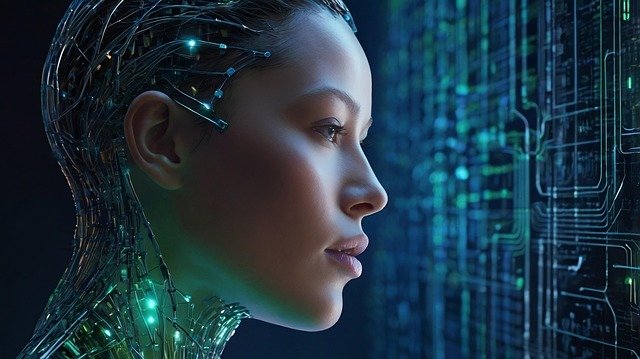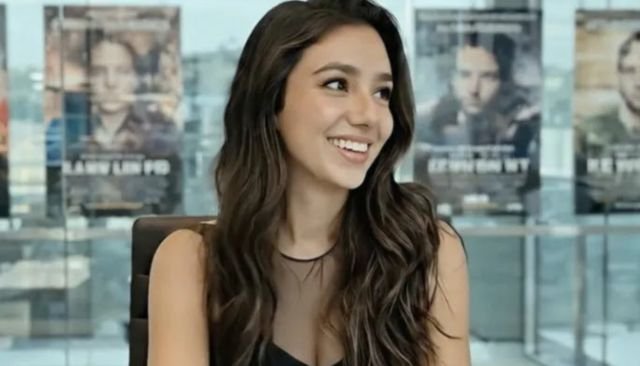
Imagine a starlet stepping into the spotlight, captivating audiences with her charm. But what if she’s not flesh and blood? Tilly Norwood, an AI-generated actress, has Hollywood buzzing with excitement and fear.
Talent agencies are lining up to sign her. Real actors, though, see this as a direct threat to their jobs. The debate rages on: Does AI bring fresh ideas to movies, or does it push human talent aside? This story dives into the world of synthetic stars and why they’re shaking up the film world.
Table of Contents
The Genesis of Tilly Norwood: An AI Creation
Tilly Norwood looks like the perfect girl next door. She has bright eyes and a warm smile that draws you in. But she’s built from code, not born from a family.
Alene Vanderveldon, a Dutch comedian, dreamed her up. She started a company called Particle 6 to make AI characters like Tilly. Now, they’re pushing Tilly as a big name in entertainment.
The goal? Pitch her like the next big thing in acting. That comparison to Scarlett Johansson stirs up strong feelings. It makes people wonder if machines can steal the show from real stars.
Who is Behind the AI Talent Studio?
Alene Vanderveldon leads the charge. She founded Shakoya, the first AI talent studio. Her team crafts digital performers for various media.
Vanderveldon sees AI as a helper, not a taker. “It’s a new tool for art,” she says. She wants AI to join the creative world without kicking humans out.
No paychecks needed for these stars. They work around the clock. Yet, Vanderveldon insists they add to the mix, not replace it.
Market Response and Agency Interest
Agencies in Los Angeles are eager. Reports show several want to represent Tilly. They see her as a low-cost way to fill roles.
This buzz spread fast over the weekend. News outlets picked it up, sparking talks everywhere. But not everyone cheers.
Actors feel uneasy. The idea of an AI signing with top agents hits hard. It questions what makes a star real.
Hollywood’s Backlash: Actors Sound the Alarm
Human performers fight back hard. They share their worries online and in interviews. AI actors like Tilly feel like intruders in their space.
The job market stays tough. Add endless digital rivals, and fear grows. Will auditions soon face off against algorithms?
This pushback shows deep roots. Actors built Hollywood on sweat and stories. Now, code challenges that legacy.
The Social Media Uproar and Boycott Threats
Stars vent on platforms like Twitter. Melissa Barrera called it “gross” and urged people to “read the room.” Her words echo many others.
Fans join in, too. They threaten to boycott agencies that sign AI talent. No deals, no support—that’s the call.
These reactions build quick. Posts go viral, amping up the pressure. It forces everyone to pick a side in this tech clash.
AI and the 2023 Labor Disputes
Last year’s SAG-AFTRA strike centered on AI fears. Actors walked out for months. They won rules to protect their work from unchecked tech.
Yet, gaps remain. Unions haven’t commented on Tilly yet. Protections cover tools, not full synthetic stars.
The strike changed contracts. Studios must ask permission for AI use on actors’ likenesses. But pitching a whole AI person? That’s new ground.
The Evolving Role of AI in Current Productions
AI already sneaks into films. It polishes accents or smooths scenes. These small steps show tech’s quiet rise.
De-aging stars or tweaking voices saves time. Directors love the ease. But full AI actors push boundaries further.
Think of it like a smart assistant on set. It helps, but doesn’t star. Tilly changes that script entirely.
Enhancing Human Performance with AI
Take Adrien Brody in The Brutalist. AI fine-tuned his Hungarian accent. It made lines sound spot-on without endless takes.
The film feels authentic thanks to that help. Brody still owns the role. AI just lifts the details.
Another case: Harrison Ford in the new Indiana Jones. Tech de-aged him decades. Fans see a younger Indy, but it’s Ford’s spirit shining through.
These tools boost real talent. They fix flaws fast. Yet, they hint at bigger shifts ahead.
The Broad Scope of Future AI Integration
Vanderveldon plans big. She aims to launch over 40 AI stars soon. They’ll pop up in TV, movies, podcasts, and games.
No more limits to screens. These digital folks could host shows or voice characters. All without a coffee break.
But the promise rings hollow to some. If AI fills so many spots, where do humans fit? The vision excites creators, alarms workers.
Economic Implications for the Entertainment Job Market
The industry shrinks already. Layoffs hit writers and crew last year. AI actors add fuel to that fire.
No salaries for synthetics. They skip benefits and unions. That cuts costs, but squeezes out jobs.
Experts call it cutthroat now. A staff writer for The Ankler notes the strain. Synthetic stars make it worse in tough times.
The Contraction of Creative Industries
Fewer gigs mean more competition. Hollywood lost thousands of positions post-pandemic. Streaming wars cooled off, too.
AI enters at the wrong moment. It piles on when recovery lags. Young actors face longer odds.
Why pitch Tilly as Scarlett 2.0? That link sells her, but rubs salt in wounds. Humans built those careers through grit.
Picture a crowded audition room. Now add ghosts made of pixels. They never tire or complain.
Unions watch close. SAG-AFTRA pushes for fair rules. But tech moves faster than talks.
This shift could reshape pay. Stars might demand AI clauses in deals. Extras worry most—they’re first to go.
Conclusion: Navigating the Uncharted Waters of Synthetic Talent
AI actors like Tilly Norwood spark a storm in Hollywood. Talent hunts for deals clash with actors’ cries for protection. Tech advances, but human hearts pull back.
Key points stand out. Backlash grows loud on social media. Past strikes set some guards, yet full AI stars test them. Tools enhance films today, but full replacements loom large. Jobs hang in balance amid industry shrinks.
The path forward stays foggy. Will rules catch up? Can AI join without harm?
What do you think—innovation or invasion? Share your views in the comments. Stay tuned as this story unfolds; follow for more on AI in entertainment. Let’s keep the conversation going.